
Do You Need Seawall Reconstruction? A Guide for Connecticut Shoreline Homes
If you live along the Connecticut shoreline, you already know the beauty and challenges of owning a waterfront property. The same waves that provide peaceful views can also bring destructive storm surges, coastal erosion, and tidal flooding. That’s where your seawall comes in.
A seawall is a protective barrier between your home and the relentless force of Long Island Sound. For many homeowners, it’s what keeps yards, foundations, and entire properties safe during severe weather. But despite their solid appearance, seawalls are not indestructible. They require regular maintenance, inspections, and sometimes full repairs to remain effective.
Understanding how long seawalls last and the steps you can take to extend their lifespan is key to protecting both your property and your investment.
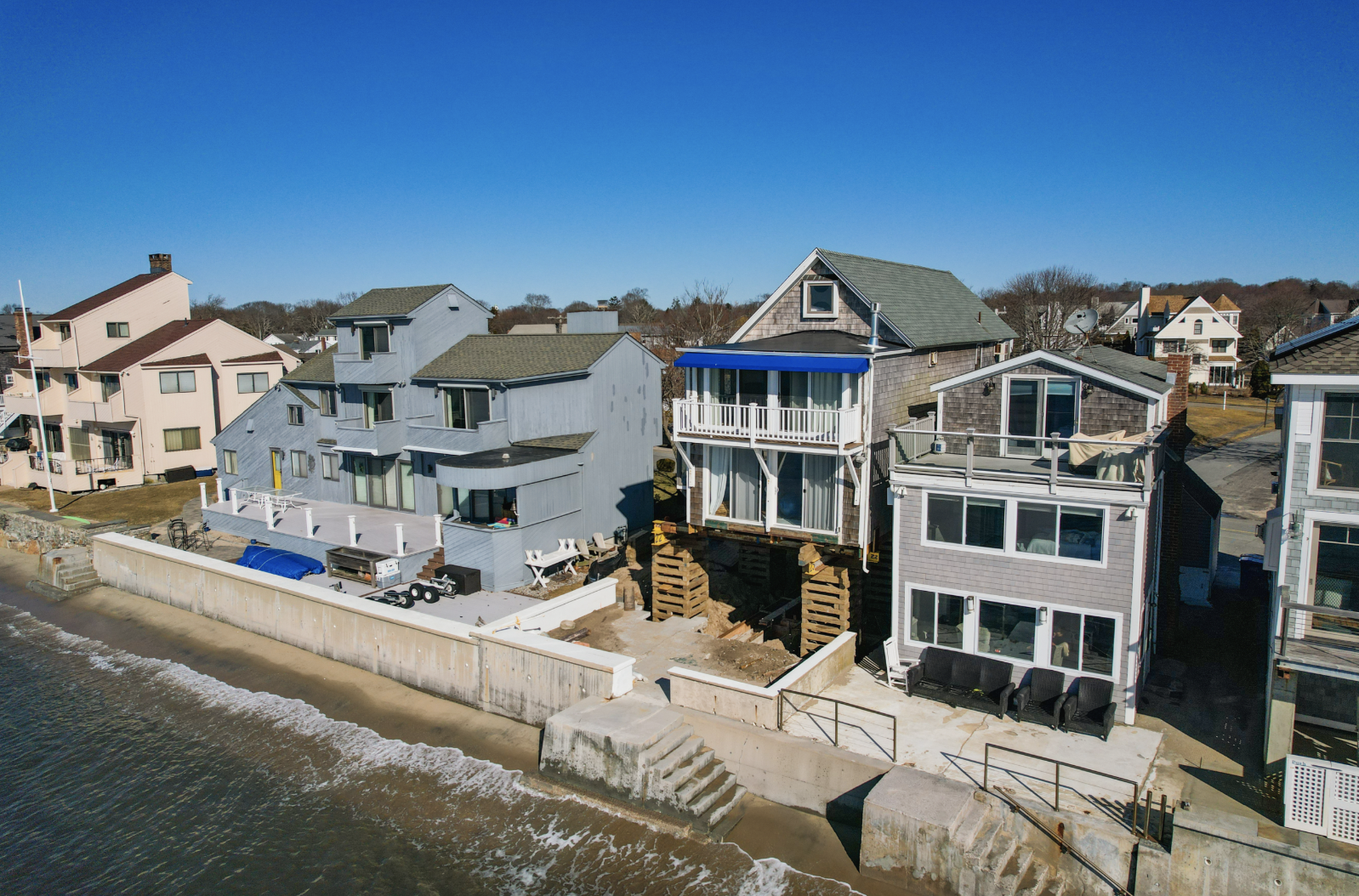
How Long Does a Seawall Last in Connecticut?
The lifespan of a seawall varies widely depending on materials, construction quality, and upkeep:
Concrete seawalls – 30–50 years with proper inspections and minor repairs.
Steel seawalls – 25–40 years, but can corrode faster in saltwater without coatings.
Vinyl seawalls – 40+ years with minimal maintenance.
Wooden seawalls – 15–20 years, often shorter in Connecticut’s harsh coastal environment.
Think of a seawall like a roof. With proactive maintenance, you’ll maximize its lifespan. But if ignored, problems like cracks, erosion, and corrosion can shorten its durability by decades.
For example, a well-built concrete seawall in Westbrook that receives regular inspections might last 45 years or more. But a neglected steel wall in Old Saybrook, exposed to salt spray and ice damage, could deteriorate in just 20 years.
Warning Signs That Your Seawall Needs Repair
The sooner you address issues, the more affordable the solution. Ignoring small warning signs often leads to large, costly failures. Here are red flags every Connecticut homeowner should look for:
Cracked slabs – Cracks near the waterline or below the seawall cap usually mean soil pressure is straining the wall.
Slab deterioration – Even without cracks, erosion from waves can slowly wear away concrete or stone surfaces.
Leaning slabs – If your wall leans outward, tie-backs may have failed. If it leans inland, base erosion could be the cause.
Soil loss and sinkholes – Gaps forming behind the seawall or unexpected dips in your yard mean water is escaping through or under the wall.
Rust stains – Rust streaks are signs of corroding anchor rods or steel reinforcements, which weaken the structure.
If you spot any of these issues, it’s important to schedule seawall inspections and maintenance in Connecticut before the damage becomes severe.
Routine Maintenance: The Secret to Longevity
Just like cars, seawalls last longest when they receive preventive care. Connecticut homeowners should plan for professional inspections at least every five years, and more frequently if their property is in a high-risk erosion zone.
Typical maintenance may include:
Repointing joints – Replacing deteriorated mortar between stones or concrete blocks.
Crack sealing – Preventing water intrusion that widens cracks over time.
Tie-back replacement – Installing new anchor systems before leaning occurs.
Adding riprap – Placing rocks at the base of the wall to reduce wave impact.
Backfilling – Replacing soil lost to erosion behind the seawall.
For instance, a homeowner in Guilford who noticed small soil gaps behind their seawall was able to resolve the issue with backfilling and tie-back reinforcement, extending the wall’s life by decades. This type of preventative action is far more cost-effective than waiting until a full professional seawall repair or reconstruction is required.
Repair or Reconstruction? Knowing the Difference
Not every damaged seawall needs to be torn down. Many issues like cracks or leaning slabs can often be stabilized with timely repairs. Repairs are generally faster and less expensive, making them the preferred solution when possible.
However, if a seawall has multiple structural failures, widespread rusting, or severe soil washout, it may be time to consider reconstruction. In these cases, understanding seawall repair and reconstruction helps homeowners weigh the costs, materials, and long-term benefits of starting fresh.
A well-planned reconstruction can also allow for modern upgrades such as eco-friendly vinyl panels or stronger concrete designs, which often outlast older builds.
Storm Damage: Why Speed Matters
Connecticut’s shoreline is no stranger to Nor’easters, hurricanes, and strong winter storms. Even a healthy seawall can suffer damage under the force of storm surge and ice. After major weather events, homeowners should carefully inspect their seawalls for new cracks, soil gaps, or leaning sections.
Delaying repairs after severe weather often leads to rapid deterioration. Acting quickly, as seen in many shoreline towns, can save homeowners from thousands in damages. That’s why timely seawall repairs after storm damage are essential for coastal protection.
How Homeowners Can Help Protect Their Seawall
While professional inspections are critical, Connecticut homeowners can play a hands-on role in seawall preservation. Some simple but effective practices include:
Checking soil levels – Refill any areas where soil has washed away behind the wall.
Managing vegetation – Remove large shrubs or trees near the seawall, since their roots can crack or destabilize the structure.
Improving drainage – Ensure gutters and downspouts don’t release water directly behind the wall.
Rinsing surfaces – Spray down concrete or steel walls to remove salt buildup that accelerates corrosion.
Staying informed – Learn practical tips for maintaining your seawall so issues are addressed before they become major.
For example, a Madison homeowner who rinsed salt off their steel seawall regularly was able to delay corrosion, extending the wall’s useful life significantly. Small steps can make a big difference over decades.
Why Timely Repairs Protect Property Value
Putting off seawall repairs may save money in the short term, but it often costs far more in the long run. A neglected seawall can:
Lower property value due to visible damage.
Increase flood risk, raising insurance costs.
Lead to full collapse, requiring expensive reconstruction.
Understanding the benefits of repairing your seawall in Connecticut shows why proactive care is always the smarter choice. Even small repairs not only strengthen your seawall but also safeguard your shoreline property investment.
Partnering with Local Experts for Lasting Results
Every Connecticut shoreline property is unique, from sandy beaches in Milford to rocky waterfronts in Branford. That’s why choosing an experienced contractor is so important. At K.E. Braza Construction, we provide customized solutions for seawall inspections, maintenance, repairs, and full reconstructions.
Whether you need crack sealing, soil backfilling, or a complete rebuild, our team works with proven techniques and durable materials to ensure your seawall protects your property for decades to come.
If you’re ready to extend the life of your seawall, don’t wait until the next storm hits. Request a free seawall consultation and let us help you secure your shoreline home.